


Over view
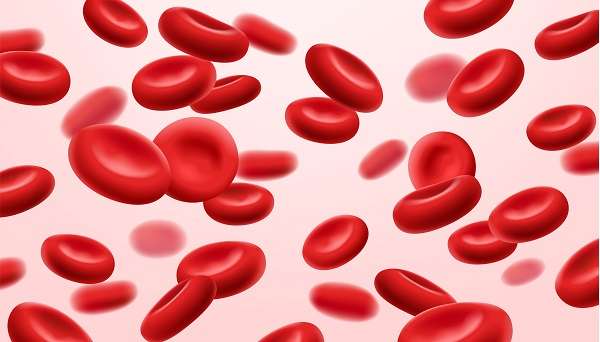
Anemia is a condition where the body lacks enough healthy red blood cells (RBCs) or hemoglobin to carry adequate oxygen to tissues. This can lead to fatigue, weakness, and shortness of breath. It can be temporary or chronic and range from mild to severe.
Types of Anemia
Iron Deficiency Anemia (most common)
- Due to low iron levels from poor diet, blood loss, or absorption issues.
- Symptoms: Fatigue, pale skin, brittle nails, sore tongue.
- Treatment: Iron-rich diet (spinach, red meat, lentils) & iron supplements.
Vitamin B12 & Folate Deficiency Anemia
- Caused by poor absorption (e.g., pernicious anemia) or dietary deficiency.
- Symptoms: Numbness, memory issues, mouth ulcers.
- Treatment: B12 & folic acid supplements, fortified foods.
Aplastic Anemia
- Rare & life-threatening, caused by bone marrow failure.
- Symptoms: Easy bruising, infections, bleeding.
- Treatment: Blood transfusions, bone marrow transplant.
Hemolytic Anemia
- Caused by premature destruction of RBCs due to autoimmune diseases, infections, or hereditary disorders.
- Treatment: Medications, blood transfusions, immune system treatments.
Sickle Cell Anemia
- Genetic disorder causing misshapen RBCs that block blood flow.
- Symptoms: Pain crises, organ damage, infections.
- Treatment: Pain management, blood transfusions, bone marrow transplant.
Thalassemia
- Genetic disorder leading to abnormal hemoglobin production.
- Symptoms: Fatigue, jaundice, facial bone deformities.
- Treatment: Blood transfusions, iron chelation therapy.
Causes
Anemia occurs due to three main reasons:
Blood Loss (Hemorrhagic Anemia)
- Heavy menstrual bleeding
- Internal bleeding (ulcers, colon cancer, hemorrhoids)
- Injury or surgery
Decreased or Faulty RBC Production
- Iron deficiency anemia (most common cause)
- Vitamin B12 or folate deficiency
- Chronic diseases (kidney disease, cancer, autoimmune disorders)
- Bone marrow disorders (leukemia, aplastic anemia)
- Genetic disorders (sickle cell anemia, thalassemia)
Increased RBC Destruction (Hemolytic Anemia)
- Autoimmune diseases
- Infections
- Spleen disorders
Symptoms
Symptoms vary depending on the cause and severity but commonly include:
✅ Fatigue and weakness
✅ Pale or yellowish skin
✅ Shortness of breath
✅ Dizziness or lightheadedness
✅ Cold hands and feet
✅ Irregular heartbeat
✅ HeadachesIn severe cases, anemia can lead to organ damage due to lack of oxygen supply.
Diagnosis
- Complete Blood Count (CBC): Measures RBC count, hemoglobin, hematocrit.
- Iron Studies: Serum iron, ferritin, TIBC (Total Iron Binding Capacity).
- Vitamin B12 & Folate Tests: Checks for deficiency.
- Peripheral Blood Smear: Examines RBC shape and size.
- Bone Marrow Biopsy: In severe or unexplained cases.
Treatment
1. Dietary Changes
- Iron-rich foods: Red meat, leafy greens, lentils, nuts.
- Vitamin B12 sources: Fish, eggs, dairy, fortified cereals.
- Folate sources: Citrus fruits, beans, whole grains.
- Avoid tea/coffee with meals (reduces iron absorption).
2. Supplements & Medications
- Iron supplements (ferrous sulfate) for iron deficiency.
- Vitamin B12 injections for absorption problems.
- Folic acid supplements for folate deficiency.
- Erythropoietin injections for anemia due to kidney disease.
3. Medical Procedures
- Blood transfusions for severe anemia.
- Bone marrow transplant for aplastic or genetic anemias.
Prevention of Anemia
- Iron supplements (ferrous sulfate) for iron deficiency.
- Vitamin B12 injections for absorption problems.
- Folic acid supplements for folate deficiency.
- Erythropoietin injections for anemia due to kidney disease.
3. Medical Procedures
- Blood transfusions for severe anemia.
- Bone marrow transplant for aplastic or genetic anemias.
Prevention of Anemia
✔ Eat a balanced diet with iron, B12, and folate.
✔ Treat underlying conditions (kidney disease, chronic infections).
✔ Women should manage heavy periods with medical advice.
✔ Pregnant women should take prenatal vitamins.
✔ Regular health check-ups for early detection.
Conclusion
Anemia is a common but treatable condition. Identifying the cause early and following proper diet, supplements, and medical treatment can help prevent complications.