


Over view
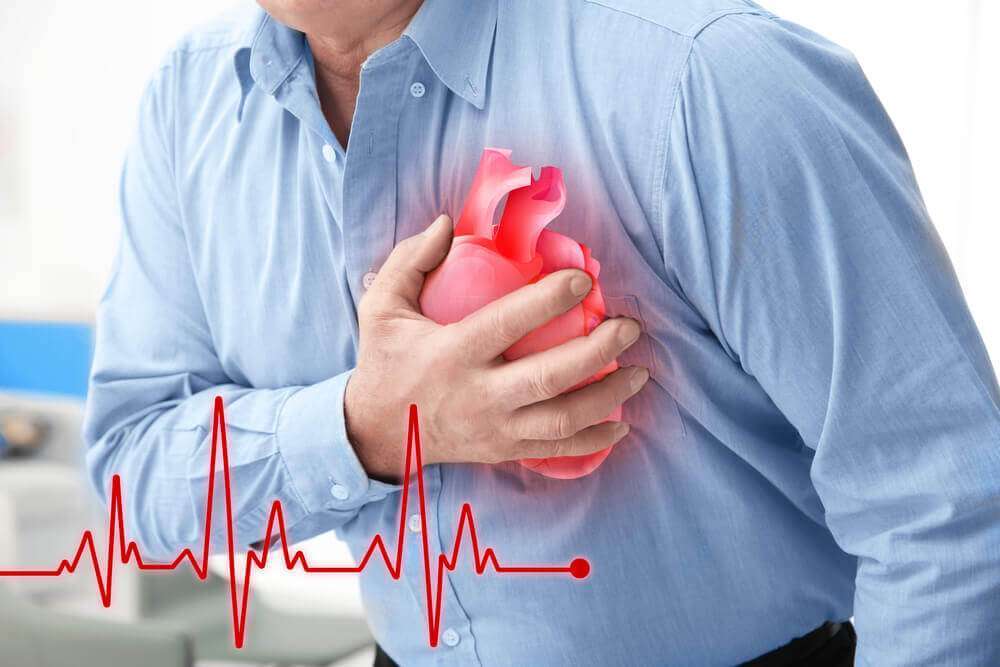
A heart attack (myocardial infarction) occurs when blood flow to a part of the heart is blocked, usually due to a blood clot or plaque buildup in the coronary arteries. This deprives the heart muscle of oxygen, leading to tissue damage or death.
Heart attacks can be life-threatening and require immediate medical attention.
Causes
A heart attack occurs due to blockage in the coronary arteries, which supply oxygen-rich blood to the heart. The main causes include:
1. Coronary Artery Disease (CAD) – Most Common Cause
- Plaque buildup (atherosclerosis) narrows arteries, reducing blood flow.
- If a plaque ruptures, it forms a blood clot that completely blocks the artery.
2. Spasms in Coronary Arteries
- Sudden narrowing of an artery (due to smoking, stress, or drugs like cocaine) can stop blood flow.
3. Other Rare Causes
- Blood vessel disorders
- Trauma to the heart
- Blood clot from another part of the body (embolism)
Risk Factors for a Heart Attack
- Sudden narrowing of an artery (due to smoking, stress, or drugs like cocaine) can stop blood flow.
3. Other Rare Causes
- Blood vessel disorders
- Trauma to the heart
- Blood clot from another part of the body (embolism)
Risk Factors for a Heart Attack
Some factors increase the risk of a heart attack:
Uncontrollable Risk Factors:
❌ Age: Risk increases after 45 years in men and 55 years in women.
❌ Family history of heart disease
❌ Previous heart attack or stroke
Controllable Risk Factors:
✅ High blood pressure (Hypertension)
✅ High cholesterol levels (LDL – “bad” cholesterol)
✅ Diabetes (uncontrolled blood sugar damages arteries)
✅ Smoking (damages blood vessels)
✅ Obesity (excess fat increases heart strain)
✅ Sedentary lifestyle (lack of exercise weakens heart health)
✅ Unhealthy diet (high in saturated fats, salt, and sugar)
✅ Stress & excessive alcohol consumption
Symptoms
-
Common Symptoms:
🚨 Chest pain or discomfort (pressure, tightness, or squeezing in the chest)
🚨 Pain spreading to the arms, neck, jaw, back, or stomach
🚨 Shortness of breath
🚨 Cold sweat, nausea, or vomiting
🚨 Dizziness or faintingSymptoms in Women May Be Different:
❗ Unusual fatigue
❗ Mild chest pain or discomfort
❗ Indigestion or stomach pain
❗ Pain in the jaw, neck, or backIf you or someone else experiences these symptoms, seek emergency medical help immediately (Call 911 or your local emergency number).
Diagnosis
-
Doctors use various tests to confirm a heart attack:
1. Electrocardiogram (ECG or EKG):
- Detects abnormal heart rhythms and signs of heart damage.
2. Blood Tests (Cardiac Biomarkers):
- Measures levels of troponin, a protein released when heart muscle is damaged.
3. Coronary Angiography:
- Uses X-ray and dye to check artery blockages.
4. Echocardiogram:
- Uses ultrasound to assess heart function.
5. Stress Test:
- Evaluates how the heart works under physical stress.
Treatment
🚑 Call emergency services immediately!
🚑 Chew aspirin (325 mg) to thin the blood (only if recommended).
🚑 Perform CPR if the person is unconscious and not breathing.
Hospital Treatment Options:
-
Medications:
- Thrombolytics (Clot Busters): Dissolve clots and restore blood flow.
- Antiplatelets (Aspirin, Clopidogrel): Prevent further clot formation.
- Beta-blockers & ACE inhibitors: Reduce heart strain and blood pressure.
- Pain relievers (Morphine): For severe chest pain.
-
Procedures to Restore Blood Flow:
- Angioplasty & Stent Placement (PCI): Opens blocked artery with a balloon and stent.
- Coronary Artery Bypass Grafting (CABG): Creates a new route for blood flow using blood vessels from another part of the body.
Post-Heart Attack Recovery & Lifestyle Changes
Medications:
- Thrombolytics (Clot Busters): Dissolve clots and restore blood flow.
- Antiplatelets (Aspirin, Clopidogrel): Prevent further clot formation.
- Beta-blockers & ACE inhibitors: Reduce heart strain and blood pressure.
- Pain relievers (Morphine): For severe chest pain.
Procedures to Restore Blood Flow:
- Angioplasty & Stent Placement (PCI): Opens blocked artery with a balloon and stent.
- Coronary Artery Bypass Grafting (CABG): Creates a new route for blood flow using blood vessels from another part of the body.
After a heart attack, lifestyle changes are crucial to prevent future attacks.
1. Heart-Healthy Diet
🥗 Eat more:
- Fruits, vegetables, whole grains
- Lean proteins (fish, chicken)
- Healthy fats (olive oil, nuts)
🚫 Avoid:
- Saturated fats, processed foods, excessive salt, and sugar
- Red meat and fried foods
2. Regular Exercise
🏃♂️ At least 30 minutes of moderate exercise 5 days a week (walking, cycling, swimming).
3. Quit Smoking & Limit Alcohol
🚭 Smoking damages arteries and increases clot formation.
🍷 Limit alcohol to 1 drink/day for women and 2 drinks/day for men.
4. Manage Stress
🧘 Meditation, yoga, deep breathing can help reduce stress levels.
5. Monitor Blood Pressure & Cholesterol
✅ Regular check-ups and medications (if prescribed) to keep levels under control.
6. Take Medications as Prescribed
💊 Aspirin, beta-blockers, and statins may be required for long-term heart health.
Prevention of Heart Attacks
✅ Maintain a healthy diet
✅ Exercise regularly
✅ Keep cholesterol and blood pressure in check
✅ Avoid smoking & excessive alcohol
✅ Manage diabetes and weight
✅ Reduce stress
✅ Get regular heart check-ups
Conclusion
A heart attack is a serious medical emergency that requires immediate attention. Understanding the risk factors, symptoms, and preventive measures can save lives.